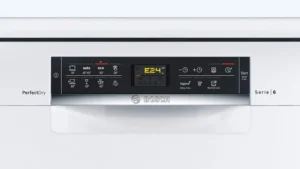
A dishwasher that does not drain water properly is one of the most common and frustrating appliance issues in South African homes. Instead of finishing a cycle with clean, dry dishes, you are left with standing water at the bottom of the unit, unpleasant odours, and poor washing performance.
While this problem may seem serious, it is often caused by a few identifiable issues that can be diagnosed early. In many cases, the fault is related to blockages, drainage restrictions, or a single component failure rather than a complete system breakdown.
Understanding what to check first can help you act quickly, prevent further damage, and avoid unnecessary replacement. If the issue persists after basic checks, booking professional dishwasher repair services near you ensures accurate diagnosis and long-term repair.
How Dishwasher Drainage Works
To understand why your dishwasher is not draining, it helps to know how the drainage system functions.
At the end of each wash cycle, the dishwasher pumps dirty water out through the drain hose and into your home’s plumbing system. This process relies on several key components working together:
• Drain pump
• Filter system
• Drain hose
• Air gap or connection to sink drain
If any of these components become blocked, damaged, or faulty, water will remain inside the dishwasher.
Signs Your Dishwasher Is Not Draining Properly
Before identifying the cause, it is important to recognise the symptoms of a drainage issue.
Common signs include:
• Standing water at the bottom after a cycle
• Slow draining between cycles
• Dirty water remaining in the unit
• Unpleasant odours from stagnant water
• Gurgling or unusual sounds during draining
These symptoms indicate that water is not leaving the system as it should.
1. What to Check First
Before calling a technician, there are several key areas you can inspect safely.
2. Check the Dishwasher Filter
The filter is the most common cause of drainage problems.
Over time, food particles, grease, and debris build up in the filter, restricting water flow.
What to do:
• Remove the bottom rack
• Locate and remove the filter
• Clean it thoroughly under running water
A blocked filter can prevent water from reaching the drain pump.
3. Inspect the Drain Hose
The drain hose carries water from the dishwasher to the sink drain.
If the hose is kinked, clogged, or incorrectly installed, water cannot flow properly.
Check for:
• Kinks or bends
• Blockages inside the hose
• Improper positioning
4. Check the Sink Drain or Garbage Disposal
In many installations, the dishwasher drains into the sink plumbing system.
If the sink drain is blocked, the dishwasher will also fail to drain.
Signs:
• Sink draining slowly
• Water backing up
This type of issue is similar to drainage problems seen in other appliances, such as washing machines not draining, where blockages restrict water flow.
5. Clean the Air Gap (If Installed)
Some dishwashers have an air gap mounted near the sink to prevent backflow.
If it becomes clogged:
• Water cannot drain properly
• Backflow may occur
Cleaning the air gap can restore normal drainage.
6. Check for Blockages Inside the Dishwasher
Sometimes debris can become trapped inside the pump area or internal drainage system.
Look for:
• Broken glass
• Food debris
• Labels or small objects
These can block the pump or restrict water movement.
Common Causes of Dishwasher Drainage Problems
If basic checks do not resolve the issue, the problem may be related to internal components.
1. Faulty Drain Pump
The drain pump is responsible for pushing water out of the dishwasher.
If it fails:
• Water will remain in the unit
• You may hear unusual noises or no draining sound
2. Clogged or Damaged Drain Hose
Even if the hose appears fine externally, internal blockages can prevent proper drainage.
3. Control Board Issues
Modern dishwashers rely on electronic control systems.
If the control board fails:
• The drain cycle may not activate
• The dishwasher may stop mid-cycle
4. Improper Installation
Incorrect installation can cause drainage problems.
Examples include:
• Drain hose positioned too low
• Missing high loop in hose
• Incorrect plumbing connection
How Much Does Dishwasher Repair Cost in South Africa?
The cost of repairing a dishwasher depends on the cause of the drainage issue.
Typical Repair Costs
| Repair Type | Estimated Cost |
|---|---|
| Minor cleaning or blockage removal | R600 – R800 |
| Drain pump repair or replacement | R950 – R2,600 |
| Hose replacement | R850 – R1,200 |
| Electrical or control repairs | R1,000 – R3,800 |
Repair vs Replacement Comparison
| Option | Cost |
|---|---|
| Repair | R850 – R2,400 (most cases) |
| New dishwasher | R5,000 – R15,000+ |
In most cases, repairing a drainage issue is far more affordable than replacing the appliance.
When It Is Worth Repairing a Dishwasher
The Appliance Is Relatively New
If your dishwasher is under 7–8 years old:
• Components are still within lifespan
• Repairs are cost-effective
The Problem Is a Blockage or Single Component
Issues such as:
• Filter blockages
• Drain pump failure
• Hose problems
These are usually easy and affordable to fix
Repair Costs Are Reasonable
If the repair is under R2,500:
Repair is almost always the better option
When Replacement May Be Necessary
The Dishwasher Is Over 10 Years Old
Older units:
• Become less efficient
• Develop multiple issues
Multiple Faults Are Present
If your dishwasher:
• Does not drain
• Does not clean properly
• Has electrical faults
Replacement may be more practical
High Repair Costs
If repairs exceed R4,500:
Consider replacement
South African Factors That Affect Dishwasher Performance
1. Water Quality
Hard water contributes to:
• Blockages
• Mineral buildup
• Reduced drainage efficiency
2. Usage Patterns
Frequent use increases wear on:
• Pumps
• Filters
• Internal components
3. Power Fluctuations
Load shedding and surges can affect:
• Control boards
• Electrical systems
Why You Should Not Ignore Drainage Issues
A dishwasher that does not drain properly can lead to:
• Bacterial growth
• Unpleasant odours
• Damage to internal components
• Reduced cleaning performance
Addressing the issue early prevents more expensive repairs later.
Professional Dishwasher Repairs
If your dishwasher is still not draining after basic checks, professional diagnosis is essential.
Experienced technicians can:
• Identify the exact cause
• Repair or replace faulty components
• Ensure proper installation and drainage
Booking appliance repair services near you ensures the issue is resolved correctly and efficiently.
Preventing Future Drainage Problems
Regular maintenance helps avoid drainage issues.
• Clean filters regularly
• Avoid overloading the dishwasher
• Rinse excess food from dishes
• Check hoses periodically
• Schedule servicing when needed
Also Read
Common Washing Machine Problems in South African Homes
How Much Does Washing Machine Repair Cost in South Africa?
Understanding Appliance Error Codes
Frequently Asked Questions
Why is my dishwasher full of water after a cycle?
This is usually caused by a blocked filter, clogged drain hose, or faulty drain pump. Cleaning the filter and checking the hose are the first steps.
Can I fix a dishwasher that is not draining myself?
Yes, basic issues such as cleaning filters or checking hoses can be done yourself. However, component failures require professional repair.
How much does it cost to fix a dishwasher that is not draining?
Most repairs range between R850 and R2,600, depending on the brand, fault and parts required.
Is it worth repairing a dishwasher that is not draining?
Yes, in most cases. Drainage problems are often caused by blockages or single components, making them affordable to repair.
Can a blocked sink cause dishwasher drainage issues?
Yes, if your sink is clogged, the dishwasher will not drain properly because both systems are connected.
How long should a dishwasher last?
Most dishwashers last between 8 and 12 years with proper maintenance.
When should I replace my dishwasher?
Consider replacement if the appliance is over 10 years old, has multiple faults, or repair costs are too high.
Final Thoughts
A dishwasher that is not draining water properly is a common issue, but it is rarely a reason to replace the appliance immediately. In most cases, the problem is caused by a blockage, installation issue, or a single faulty component that can be repaired quickly and affordably.
By checking the filter, drain hose, and plumbing connections first, you can often identify the cause early. If the issue persists, professional repair ensures a long-term solution.
Taking action early not only restore