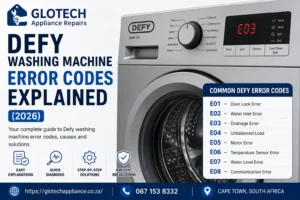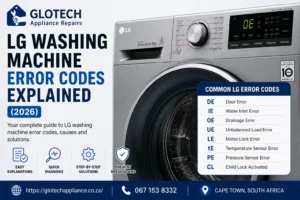
Washing machines are one of the most used appliances in any home, yet they are often the least maintained. Many households only pay attention to their machine when something goes wrong, whether it is water not draining, strange noises, or leaks appearing unexpectedly.
The reality is that most washing machine breakdowns are not caused by sudden failure. They are the result of small, preventable issues that build up over time. Poor maintenance habits such as overloading, ignoring filters, or using too much detergent gradually reduce efficiency and put strain on internal components.
In South African homes, additional factors such as hard water, frequent usage, and load shedding further increase wear on appliances. This makes regular maintenance even more important if you want to avoid unexpected repair costs.
This guide breaks down 10 essential washing machine maintenance tips that most people ignore, along with practical advice to keep your machine running efficiently for years.
If your machine is already showing signs of failure, it is best to arrange professional washing machine repair services near you to prevent further damage.
Why Washing Machine Maintenance Matters More Than You Think
A washing machine operates through a combination of electrical, mechanical, and water systems. When one part is affected, it often impacts the entire system.
Proper maintenance helps:
• Prevent common faults before they occur
• Improve washing performance
• Reduce electricity and water usage
• Extend the lifespan of your appliance
Neglecting maintenance is one of the leading causes of issues such as drainage problems, leaks, and motor failure. Many of these faults eventually lead to situations like washing machine not draining, which could have been avoided with basic upkeep.
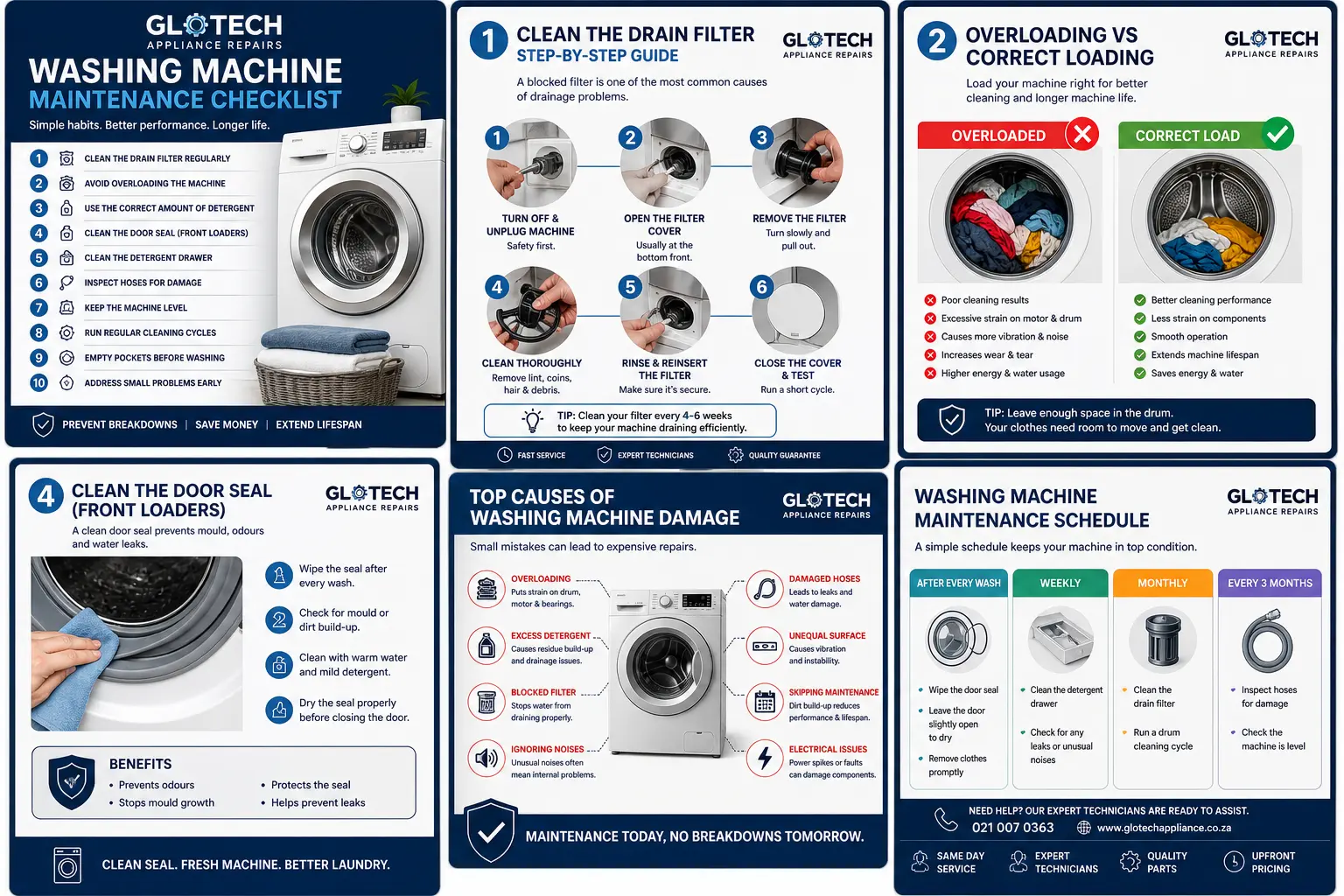
Quick Overview:
- Clean filter monthly
- Avoid overloading
- Use correct detergent
- Check hoses regularly
- Clean drum and seals
- Level the machine
Use this checklist monthly to prevent breakdowns
1. Clean the Drain Filter Regularly
The drain filter is one of the most important components in your washing machine, yet it is often ignored.
Over time, it collects:
• Lint
• Hair
• Coins
• Small debris
When blocked, water cannot drain properly, leading to slow drainage or complete failure.
This is one of the most common causes behind washing machine drainage issues.
Best Practice:
Clean the filter every 4 to 6 weeks.
2. Avoid Overloading the Machine
Overloading your washing machine may seem efficient, but it puts excessive strain on internal components.
This leads to:
• Poor washing performance
• Increased vibration
• Faster wear on bearings and motor
Best Practice:
Always follow the manufacturer’s recommended load size.
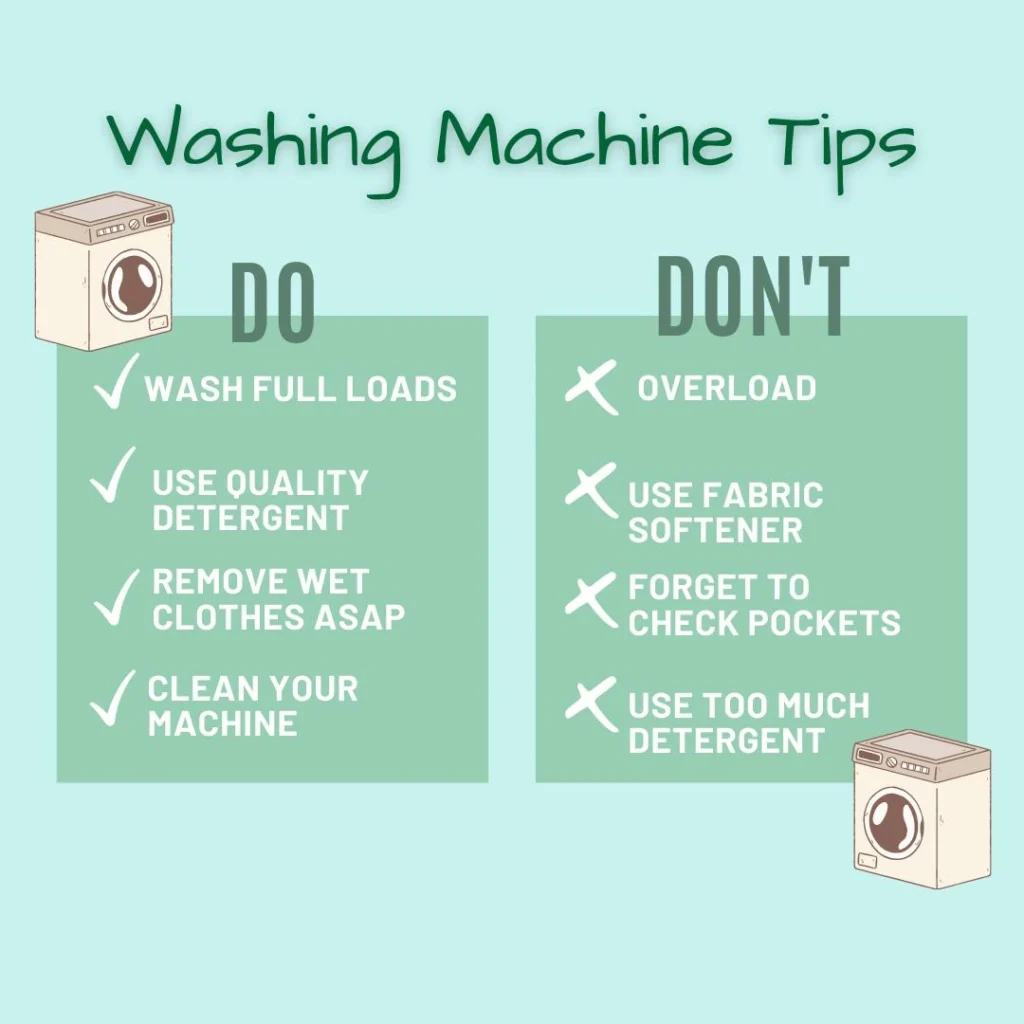
3. Use the Correct Amount of Detergent
Using too much detergent creates excessive foam and residue.
This can cause:
• Blocked internal pipes
• Drainage issues
• Bad odours
Over time, this buildup can contribute to problems similar to washing machine leaking faults.
Best Practice:
Use only the recommended detergent amount.
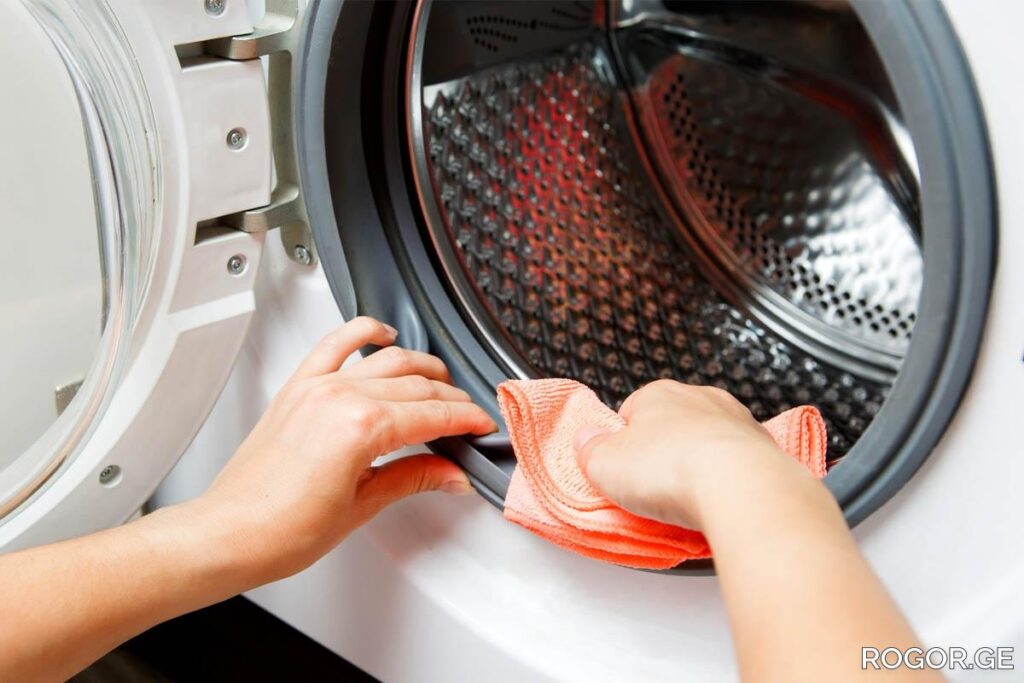
4. Clean the Door Seal (Front Loaders)
Front-loading machines have rubber seals that trap moisture.
If not cleaned regularly:
• Mould develops
• Odours build up
• Seal deterioration occurs eventually requiring washer seal replacement
Best Practice:
Wipe the seal after each wash and deep clean monthly.
5. Clean the Detergent Drawer
The detergent drawer is another area prone to buildup.
Residue can:
• Block water flow
• Reduce detergent efficiency
Best Practice:
Remove and rinse the drawer every few weeks.
6. Inspect Water Hoses for Wear
Hoses are often ignored until they fail.
Damaged hoses can lead to:
• Water leaks
• Flooding
• Pressure issues
Best Practice:
Inspect hoses every 2 to 3 months for cracks or bulging.
7. Ensure the Machine Is Level
An uneven washing machine causes excessive movement.
This results in:
• Noise
• Vibration
• Internal damage
Best Practice:
Adjust the machine so it sits evenly on the floor.
8. Run Regular Drum Cleaning Cycles
Even though washing machines clean clothes, they also need cleaning themselves.
Without regular cleaning:
• Dirt accumulates
• Bacteria develops
• Odours form
Best Practice:
Run a hot cleaning cycle monthly.
9. Empty Pockets Before Washing
Small objects can cause serious damage.
Common items include:
• Coins
• Keys
• Screws
These can:
• Block pumps
• Damage the drum
10. Address Small Problems Early
Many people ignore minor issues until they become serious.
Early signs include:
• Slow draining
• Strange noises
• Small leaks
These issues often escalate into major faults if left unresolved. For example, a minor drainage issue can develop into a full blockage requiring repair.
How Maintenance Reduces Repair Costs
Regular maintenance significantly lowers the risk of expensive repairs.
Without maintenance, common failures include:
• Pump damage
• Motor strain
• Electrical faults
Repair costs increase when problems are ignored. For a detailed breakdown, see: washing machine repair cost guide
Signs Your Washing Machine Needs Professional Repair
Even with proper maintenance, some issues require expert attention.
Call a technician if:
• The machine is not draining
• Washing machine is leaking water
• It makes loud noises
• It stops mid-cycle
Booking washing machine repair services near you ensures accurate diagnosis and safe repair.
Maintenance Tips for South African Homes
Local conditions play a role in appliance wear.
Key factors include:
• Hard water causing buildup
• Load shedding affecting electronics
• High usage frequency
Regular maintenance helps reduce these risks.
Frequently Asked Questions
How often should I maintain my washing machine?
Basic maintenance should be done monthly, with deeper cleaning every few months.
Can maintenance prevent breakdowns?
Yes, most common faults are caused by neglect and can be prevented.
What is the most common washing machine problem?
Drainage issues are among the most common, often caused by blocked filters.
Is it safe to clean a washing machine with vinegar?
Yes, vinegar can help remove buildup and odours when used correctly.
When should I call a technician?
If basic maintenance does not resolve the issue or if the machine shows signs of failure.
Final Thoughts
Washing machine maintenance is one of the simplest ways to avoid costly repairs and extend the life of your appliance. Small habits such as cleaning filters, checking hoses, and avoiding overloading can make a significant difference in performance and reliability.
Most breakdowns are preventable. By following the tips in this guide and addressing issues early, you can keep your washing machine running efficiently for years.
If your machine is already showing signs of problems, professional repair is the safest and most effective solution.