Cost Effective Fridge, Washing Machines, Air Con Repairs, Installation & Servicing
- 067 153 8332
- info@glotechappliance.co.za
- Mon - Sat: 9:00 - 18:30
Cost Effective Fridge, Washing Machines, Air Con Repairs, Installation & Servicing

Washing machine leaking water? Learn the common causes of washer leaks and when to call a technician. Professional repair services across Cape Town.
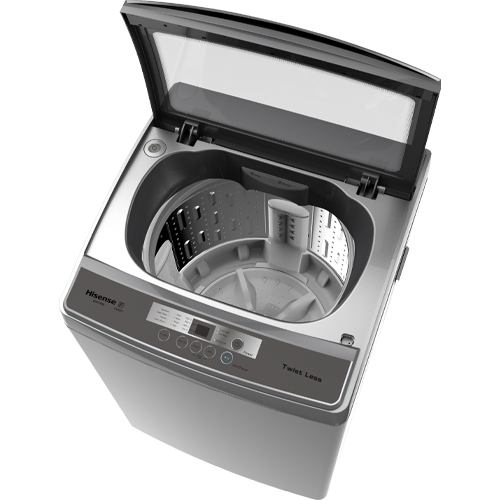
A washing machine that begins leaking water can quickly become a serious household problem. Even a small leak may lead to water damage on floors, cupboards or nearby appliances if it continues during multiple wash cycles. Many homeowners first notice a small puddle beneath the washer or water running out from underneath the machine during operation.
Although leaks often appear sudden, they are usually caused by wear in specific components or restrictions in the water system. The challenge is identifying the exact source of the leak, since water may travel along internal parts before appearing on the floor.
At Glotech Appliance, we help homeowners across Cape Town diagnose and repair washing machines that are leaking water. Our laundry washing machine repair technicians focus on identifying the origin of the leak and restoring safe operation so your appliance can continue working reliably.
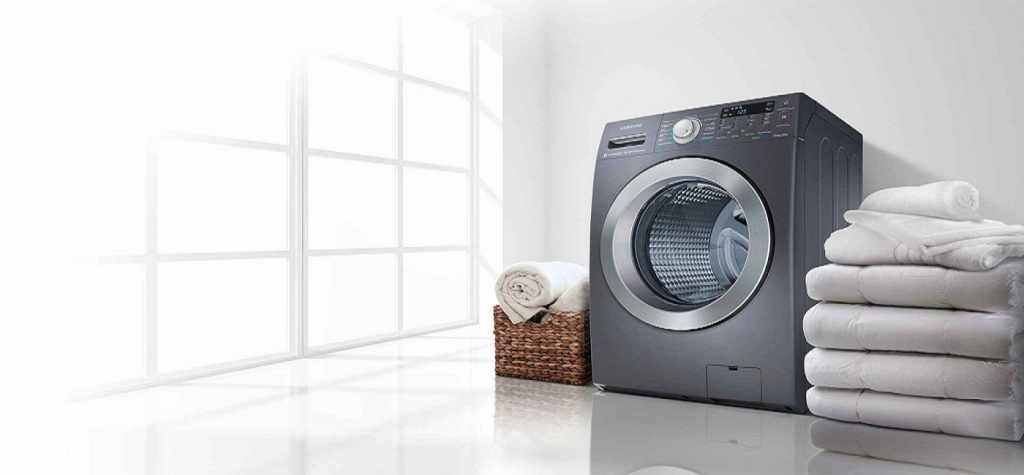
A washing machine relies on several sealed systems to control water flow during the wash cycle. These systems include inlet hoses, internal hoses, pump assemblies, door seals and drainage components. When one of these parts becomes damaged or worn, water may escape during filling, washing or draining.
Because the washing machine uses large volumes of water under pressure, even a small defect in a hose or seal can result in visible leakage.
Understanding where the leak occurs during the cycle often helps determine the cause.
Some leaks are obvious, while others develop slowly over time. Common signs that your washing machine may have a leak include:
Leaks can occur at different stages of the cycle, which may help identify the affected component.
The stage of the wash cycle when the leak appears can sometimes reveal the underlying issue.
Both front loading and top loading washing machines can develop leaks, but the causes may vary depending on the design.
Because each washer design uses different internal components, accurate diagnosis is essential before repairs are carried out
Some minor leaks can be caused by loose hose connections that are easy to correct. However, persistent leaks usually indicate worn components that need professional attention.
You should arrange a repair if:
Ignoring leaks can eventually damage the machine’s electrical components or surrounding surfaces.
At Glotech Appliance, we follow a structured inspection process to locate the exact source of the leak. Because water may travel along internal surfaces before reaching the floor, identifying the true origin is essential.
Our technicians may inspect:
Once the source of the leak is confirmed, we explain the repair required and restore the machine’s water containment system.
Glotech Appliance provides washing machine repair services across Cape Town, including;
We also assist customers in nearby areas of the Cape Winelands such as
On-site service means your appliance remains safely in your home while we diagnose and repair the issue.
If your washing machine is leaking water, professional diagnosis can prevent further damage and restore reliable operation.
📞 Call us now: 067 153 8332
📧 Email: info@glotechappliance.co.za
Glotech Appliance provides washing machine repairs across Cape Town, helping homeowners resolve leaks and other washer problems efficiently. Contact our team today to arrange a technician visit and get your appliance back to normal operation.




Front loading washing machines rely on a rubber door seal to keep water inside the drum. Over time this seal can develop small tears or become worn from repeated use. Detergent residue, lint and small objects may also damage the seal. When the seal no longer forms a tight barrier, water may escape from the front of the machine during the wash cycle.
The hoses connected to the back of the washer supply hot and cold water during filling. If these hoses become loose, cracked or worn, water may leak when the machine fills. Hose leaks often appear behind the washing machine and may go unnoticed until water collects on the floor.
The drain hose carries used water away from the washing machine after each cycle. If the hose becomes kinked, damaged or incorrectly positioned, water may leak during the draining stage. In some cases, a partially blocked hose can force water out through weak points in the system.
The drain pump plays an essential role in removing water from the drum. If the pump housing becomes damaged or seals around the pump wear out, water may leak underneath the machine during the drain cycle. Pump leaks are often mistaken for general water overflow because they appear beneath the washer.
Using too much detergent can create excessive foam inside the drum. In some machines, this foam may push water past seals and gaskets, causing temporary leaks during washing. Over time, detergent buildup can also damage seals and internal components.
Inside the washer are several hoses connecting the drum, pump and water system. These hoses may become loose or worn after years of use. When they fail, water may leak internally and appear underneath the machine. Because internal hose leaks are not visible from the outside, professional inspection is often required.
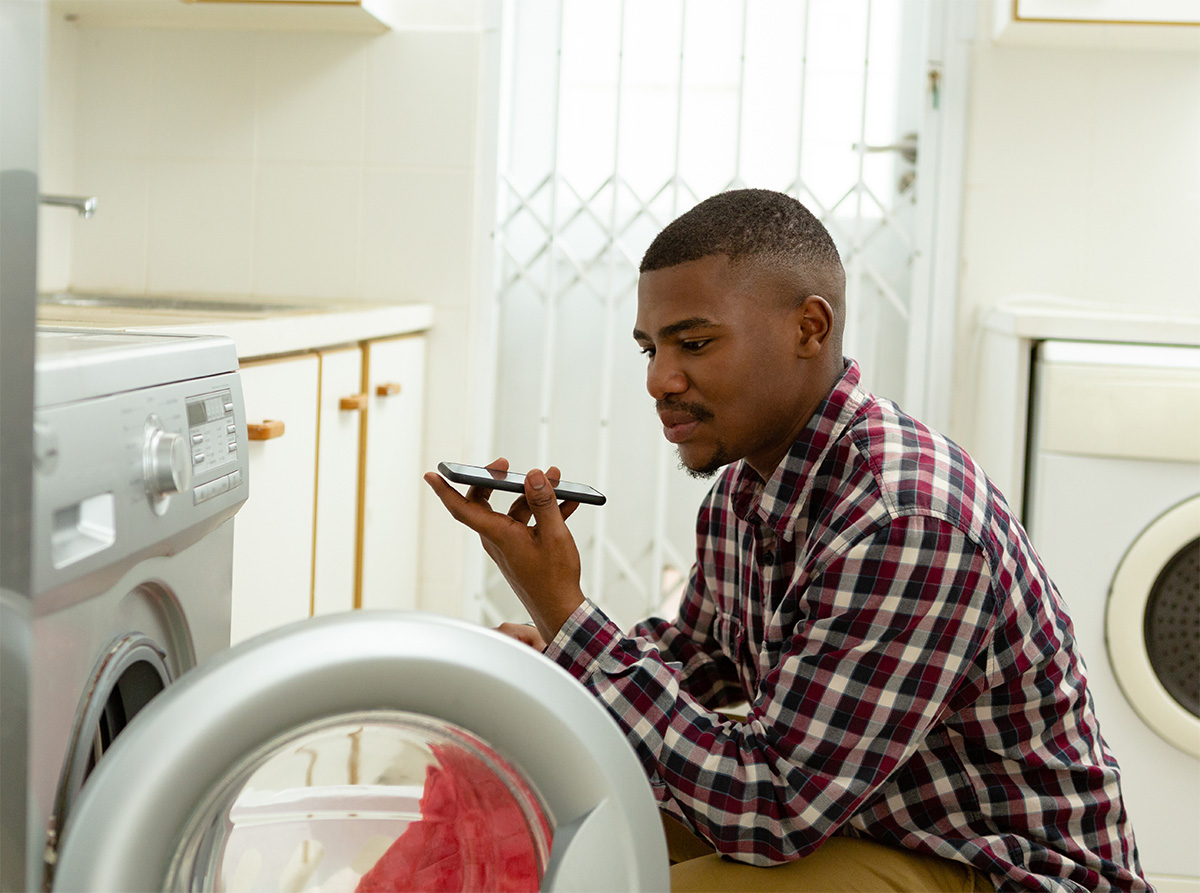
Leaks are often caused by worn door seals, loose hoses, pump problems or internal hose damage. Overuse of detergent can also contribute to leaks by creating excess foam inside the machine.
Leaks beneath the washer are often linked to pump faults, damaged internal hoses or drainage system issues.
If the machine leaks during spinning, the cause may be related to internal pressure changes, worn seals or drainage components.
It is not recommended. Continued leaks can damage flooring, cabinets and internal electrical components.
Bosch washing machines may leak if the door seal becomes worn, the drain pump housing develops a small crack, or the inlet hoses at the back of the machine become loose. Blocked pump filters can also cause water to escape during the wash or drain cycle.
In LG washers, leaks are often linked to worn door gaskets, excessive detergent use creating foam overflow, or loose inlet hoses. If the leak appears during the drain stage, the issue may involve the pump or drainage system.
Miele washing machines are designed with multiple internal seals and hoses to manage water flow. Leaks may occur if a seal becomes worn over time or if a hose connection inside the machine becomes loose or damaged.
Samsung washer dryer combinations may leak when the door seal becomes damaged or when drainage components become restricted. Because washer dryers run longer cycles, worn seals or blocked filters can sometimes allow water to escape during operation.
Speed Queen washers are known for durability, but leaks can still occur if inlet hoses wear out, internal hoses loosen, or pump components develop small cracks over time.
Whirlpool washing machines may leak due to damaged door seals, worn drain pumps, loose hoses or excessive detergent buildup inside the drum. Identifying when the leak occurs during the wash cycle helps determine the exact cause.